







Pregnancy has always been surrounded by advice. Some of it is helpful. Some of it is outdated. And some of it is simply based on fear rather than evidence.
One of the most common beliefs is that women should avoid lifting weights during pregnancy, especially heavy weights. Many people assume that strength training could harm the baby, increase complications, or stress the body too much.
But modern research is slowly challenging that belief.
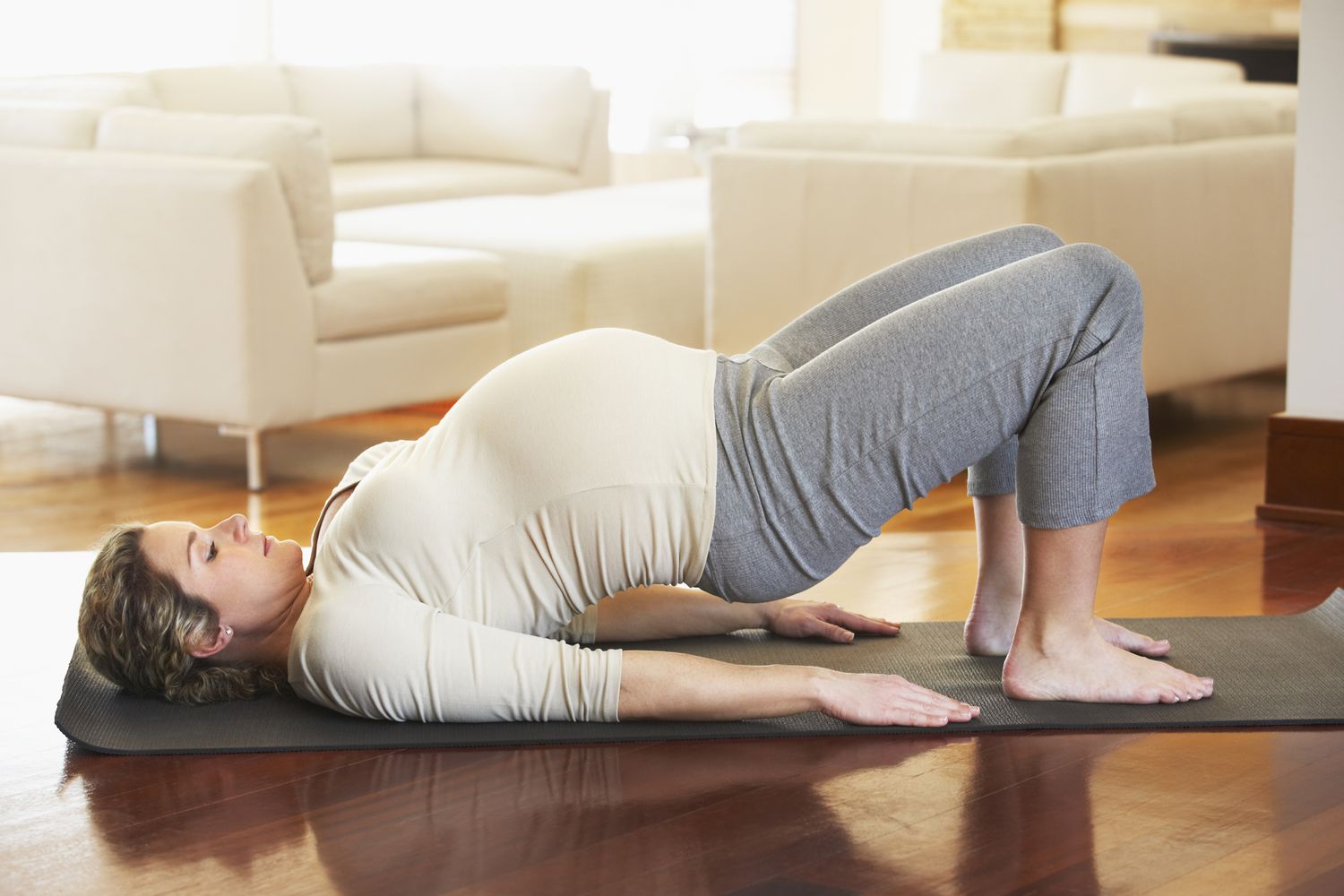
The truth is more nuanced. Exercise during pregnancy is not only safe for most women, it can also be one of the most powerful tools for improving maternal and fetal health.
Let’s explore what the science actually says about weightlifting during pregnancy, why this myth exists, and what pregnant women should really know.
Pregnancy Is a Physical Event, Not a Fragile State
For much of modern history, women were discouraged from physical activity. Exercise was often considered unfeminine, dangerous, or harmful to reproductive health. In the past, some doctors even believed running could damage fertility or delay puberty.
These ideas shaped how pregnancy was viewed. Pregnant women were encouraged to rest, avoid physical exertion, and minimize movement.
But research over the last few decades has completely changed this perspective.
Today we know that pregnancy itself is physically demanding. Labor, in particular, resembles an intense athletic event. During labor:
- Oxygen demand increases dramatically
- Breathing rate rises significantly
- Muscles perform repeated high intensity contractions
- The body undergoes prolonged physical exertion
Because of this, researchers increasingly view pregnancy and childbirth through the lens of physical preparedness and training. In fact, some scientists describe labor as a physiological challenge similar to endurance sports.
This shift in understanding has led to a new question:
If pregnancy is physically demanding, should women actually train for it?
The Proven Benefits of Exercise During Pregnancy
Before discussing heavy lifting specifically, it’s important to understand something fundamental.
Exercise during pregnancy has strong scientific support.
Research consistently shows that physical activity during pregnancy can:
- Reduce the risk of gestational diabetes
• Improve maternal cardiovascular health
• Reduce excessive weight gain
• Lower the risk of hypertension and preeclampsia
• Improve mood and mental health
• Support healthier fetal development
• Improve postpartum recovery
Exercise is also associated with healthier birth weights and fewer delivery complications.
Some research even suggests that children born to active mothers may have a lower long term risk of obesity and metabolic disease, although lifestyle and genetics also play a role.
Because of these benefits, modern guidelines now recommend at least 150 minutes of physical activity per week during pregnancy, including both aerobic exercise and resistance training.
However, resistance training still raises questions, particularly when it involves heavy loads.
Why Heavy Weightlifting Was Traditionally Discouraged
Historically, doctors advised pregnant women to avoid intense exercise or heavy lifting for several reasons.
The main concerns included:
- Reduced blood flow to the fetus
Heavy lifting increases heart rate and blood pressure, which led to concerns that blood flow might shift away from the uterus. - The Valsalva maneuver
This breathing technique, commonly used during heavy lifts, increases intra abdominal pressure and blood pressure. - Supine lifting positions
Exercises like the bench press involve lying on the back, which was believed to potentially compress blood vessels and reduce circulation. - Pelvic floor stress
Because pregnancy already stresses the pelvic floor, it was assumed heavy lifting might increase urinary incontinence or pelvic dysfunction.
The problem is that most of these concerns were theoretical. For decades they were based more on expert opinion than direct evidence.
Only recently have researchers begun studying these questions directly.
What New Research Shows About Heavy Lifting During Pregnancy
A recent large cross sectional study examined 675 women who performed weightlifting during pregnancy. Many of them had several years of lifting experience and regularly performed exercises such as:
- Squats
- Deadlifts
- Olympic lifts
- Bench presses
Researchers analyzed pregnancy outcomes, pelvic floor symptoms, and training habits.
The results were surprisingly reassuring.
Women who continued lifting during pregnancy did not experience higher rates of complications compared with those who reduced or avoided heavy lifting.
Rates of major complications were actually lower than typical population estimates.
For example:
- Gestational diabetes occurred in only 1% of participants, compared with roughly 14% in the general population
- Preeclampsia occurred in 3%, compared with about 6–7% in the general population
- Preterm birth was also lower than average
Another interesting finding was that women who maintained their training volume during pregnancy had about 51% fewer complications than those who significantly reduced their activity.
While this does not prove causation, it suggests that staying active may contribute to better outcomes.
What About Specific Concerns Like Valsalva and Supine Lifting?
Researchers also examined specific practices that doctors traditionally warned against.
These included:
- Olympic weightlifting
• The Valsalva maneuver
• Lifting while lying on the back
The study found no significant increase in pregnancy or delivery complications among women who performed these activities.
Other experimental research has monitored fetal heart rate and blood flow during resistance training.
Even during challenging exercises like squats, deadlifts, and bench presses, fetal heart rate remained within normal ranges and umbilical blood flow was maintained.
These findings suggest that the body can adapt to exercise stress without compromising fetal health.
However, researchers still emphasize that more studies are needed before drawing universal conclusions.
Strength Training May Also Protect the Pelvic Floor
Another common concern is that heavy lifting could worsen pelvic floor issues.
Pregnancy itself already increases the risk of urinary incontinence. Up to 75% of pregnant women experience some symptoms.
Interestingly, the research found no increased risk of urinary incontinence among women who continued weightlifting.
In fact, women with greater pre pregnancy strength in movements like squats and cleans tended to report lower pelvic floor symptoms.
This suggests that stronger muscles may actually provide protective support during pregnancy.
An Important Detail: Training Experience Matters
Although these findings are encouraging, there is an important detail that often gets overlooked.
The women in these studies were already experienced lifters before pregnancy.
They did not suddenly start heavy training after becoming pregnant.
Their bodies were already adapted to:
- resistance training
- heavy loads
- technical lifting movements
For this reason, most experts still recommend that women do not begin a new high intensity lifting program during pregnancy.
Instead, the safest approach is usually:
Continue training if you were already active, but modify when necessary.
A Smarter Way to Think About Training During Pregnancy
Instead of asking whether women should lift heavy during pregnancy, a better question might be:
How should training be adapted during pregnancy?
Modern sports science suggests that training during pregnancy can be approached similarly to athletic periodization.
Different phases of pregnancy involve different physiological demands, so training variables like intensity, volume, and exercise selection may change across trimesters.
For example:
Early pregnancy may focus on maintaining strength and aerobic fitness.
Mid pregnancy often allows women to continue training with modifications as biomechanics begin to change.
Later pregnancy may shift toward maintaining strength, mobility, and comfort while preparing for childbirth.
This structured approach helps maintain physical capacity while respecting the changing physiology of pregnancy.
The Real Takeaway
The idea that pregnant women should avoid lifting weights is largely based on outdated beliefs.
Modern evidence suggests a different reality.
For healthy women with low risk pregnancies who were already active before conception:
Strength training and even relatively heavy lifting can be safe when done appropriately.
In fact, exercise during pregnancy is associated with numerous benefits for both mother and child.
However, important precautions still apply.
Women should always:
- Consult their healthcare provider
• Avoid starting intense new training programs during pregnancy
• Modify training when discomfort or complications occur
• Prioritize proper technique and recovery
Pregnancy is not a time for extreme performance goals. But it is also not a time when the body suddenly becomes fragile.
With the right approach, training during pregnancy can support strength, health, and resilience during one of the most physically demanding periods of life.
REFERENCES:
1-https://pubmed.ncbi.nlm.nih.gov/36331580/
3-https://pmc.ncbi.nlm.nih.gov/articles/PMC8522915/#j_devperiodmed.20182201.0913_ref_002


